As a wear liners supplier, I've been asked numerous times about the environmental impacts of using wear liners. Wear liners are used in a variety of industries, including mining, cement, power generation, and more, to protect equipment from abrasion, corrosion, and impact. While their benefits in terms of equipment longevity and operational efficiency are well - known, it's essential to examine their environmental footprint.
Manufacturing Phase
The production of wear liners involves several steps that can have environmental implications. One of the primary materials used in wear liners is steel, which requires significant energy for extraction and processing. Iron ore, the main raw material for steel, is mined from the earth. Mining operations can cause deforestation, soil erosion, and water pollution. For instance, the use of heavy machinery in open - pit mines releases large amounts of dust and particulate matter into the air, contributing to air pollution.
In addition to steel, other materials such as ceramics and polymers are also used in wear liners. Ceramic wear liners are known for their high hardness and wear resistance. However, the production of ceramics often involves high - temperature firing processes, which consume a large amount of energy. Polymers, on the other hand, are derived from petrochemicals. The extraction and refinement of petrochemicals are energy - intensive processes and can have negative impacts on the environment, including oil spills during extraction and greenhouse gas emissions during refinement.
As a supplier, we are aware of these issues and are constantly looking for ways to reduce the environmental impact of our manufacturing processes. We are exploring the use of recycled materials in our wear liners. For example, recycled steel can significantly reduce the energy consumption and environmental impact associated with steel production. We also invest in energy - efficient manufacturing technologies to minimize the energy used in the production of wear liners.
Usage Phase
During the usage phase, wear liners play a crucial role in reducing the environmental impact of industrial operations. By protecting equipment from wear and tear, they extend the lifespan of machinery. This means that less equipment needs to be manufactured and replaced over time, which in turn reduces the overall demand for raw materials and energy.
For example, in the mining industry, wear liners are used in crushers, mills, and conveyors. Without wear liners, these machines would experience rapid wear, leading to frequent breakdowns and replacements. The manufacturing of new mining equipment requires large amounts of steel, energy, and other resources. By using wear liners, mining companies can operate their equipment for longer periods, reducing the need for new equipment production.
In the cement industry, wear liners are used in kilns and grinding mills. The use of wear liners in these applications helps to maintain the efficiency of the equipment, reducing energy consumption during the cement production process. Cement production is a highly energy - intensive process, and any reduction in energy consumption can have a significant positive impact on the environment.
However, there are also some potential negative environmental impacts during the usage phase. For example, some wear liners may release small particles into the environment during operation. This can be a concern, especially in industries where air quality is a critical issue. To address this problem, we are developing wear liners with better sealing and dust - control features to minimize the release of particles into the environment.
End - of - Life Phase
When wear liners reach the end of their useful life, proper disposal is crucial to minimize their environmental impact. Some wear liners, such as metallic wear liners, can be recycled. Recycling metallic wear liners reduces the need for new steel production, saving energy and resources. We encourage our customers to recycle our metallic wear liners and provide them with information on recycling facilities.
However, not all wear liners are easily recyclable. Ceramic and polymer wear liners may require special treatment or disposal methods. In some cases, they may end up in landfills, which can have long - term environmental consequences. To address this issue, we are researching and developing more sustainable end - of - life solutions for our wear liners. This includes exploring ways to recycle or reuse ceramic and polymer wear liners.
Our Product Offerings and Their Environmental Aspects
We offer a wide range of wear liners, including Chromium Alloy Steel Mill Liners. These liners are made from high - quality chromium alloy steel, which provides excellent wear resistance. The use of chromium alloy steel in these liners not only extends the lifespan of the mill but also reduces the frequency of liner replacements. This, in turn, reduces the overall environmental impact associated with the production and disposal of wear liners.

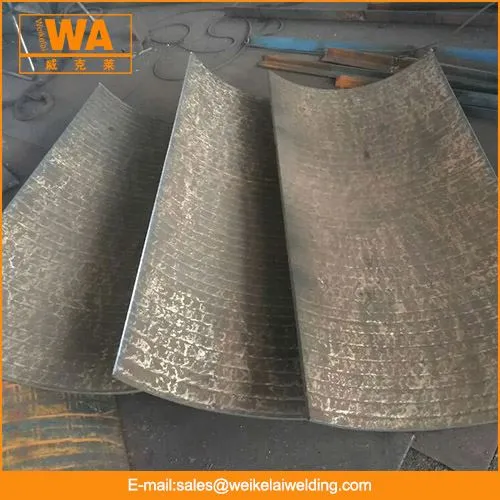
Our Wear Protection Linings are designed to provide superior protection against abrasion, corrosion, and impact. These linings are available in a variety of materials, including polymers and ceramics. We are constantly working on improving the environmental performance of these linings. For example, we are developing polymer linings with lower volatile organic compound (VOC) emissions, which are less harmful to the environment and human health.
Our Metallic Wear Liners are known for their durability and recyclability. Metallic wear liners can be easily recycled at the end of their life, reducing the environmental impact associated with their disposal. We are also exploring ways to improve the energy efficiency of the production of metallic wear liners by using advanced manufacturing technologies.
Conclusion
In conclusion, the use of wear liners has both positive and negative environmental impacts. While there are some environmental challenges associated with the manufacturing, usage, and end - of - life phases of wear liners, the overall benefits in terms of equipment longevity and resource conservation are significant. As a wear liners supplier, we are committed to minimizing the environmental impact of our products throughout their life cycle.
We believe that by working together with our customers, we can make a positive contribution to the environment. We encourage you to contact us to discuss your wear liner needs and how we can help you reduce the environmental impact of your operations. Whether you are in the mining, cement, power generation, or any other industry, we have the expertise and products to meet your requirements. Let's work together to create a more sustainable future.
References
- "Environmental Impact of Steel Production", Journal of Environmental Science and Technology
- "Recycling of Industrial Wear Components", International Journal of Recycling and Waste Management
- "Energy - Efficient Manufacturing Technologies in the Wear Liner Industry", Proceedings of the International Conference on Sustainable Manufacturing