

Hey there! I'm a supplier of Chute Wear Liners, and today I wanna chat about where these nifty things are commonly used. Chute wear liners are like the unsung heroes in many industries, protecting equipment from the harsh effects of abrasion, impact, and corrosion. Let's dive right in and explore the various places where they play a crucial role.
Mining Industry
The mining industry is one of the biggest users of chute wear liners. In mines, materials like ore, coal, and gravel are constantly being moved around through chutes. These materials are often rough and abrasive, and they can quickly wear down the surfaces of the chutes if not properly protected. That's where chute wear liners come in.
For example, in a coal mine, coal is transported from the extraction site to the processing plant through a series of chutes. The coal is usually quite abrasive, and it can cause significant damage to the chute walls over time. By installing chute wear liners, the mine operators can extend the lifespan of the chutes and reduce maintenance costs. These liners can withstand the constant impact and abrasion of the coal, ensuring smooth material flow and preventing blockages.
Another aspect of the mining industry where chute wear liners are essential is in the handling of ore. Ore is often mined in large chunks and then crushed into smaller pieces before being processed. During this process, the ore is transferred through chutes, and the liners protect the chutes from the sharp edges and heavy weight of the ore. This helps to maintain the efficiency of the mining operations and prevents costly downtime due to chute damage.
Cement Industry
The cement industry also relies heavily on chute wear liners. In a cement plant, raw materials such as limestone, clay, and shale are crushed and ground into a fine powder before being heated in a kiln to produce cement clinker. The handling of these raw materials involves a lot of chutes, and the liners are used to protect the chutes from the abrasive nature of the materials.
For instance, when limestone is being transported from the quarry to the cement plant, it is often conveyed through chutes. The limestone is a hard and abrasive material, and without proper liners, the chutes would quickly wear out. The chute wear liners in the cement industry are designed to withstand high temperatures as well, as the cement manufacturing process involves heating the materials to very high temperatures.
In addition, the transfer of cement clinker from the kiln to the storage silos also requires the use of chute wear liners. The clinker is a hot and abrasive material, and the liners help to prevent the chutes from warping and wearing out due to the heat and abrasion. This ensures the smooth flow of the clinker and maintains the quality of the final cement product.
Power Generation Industry
In the power generation industry, chute wear liners are used in coal-fired power plants. Coal is the primary fuel used in these plants, and it is transported from the coal storage area to the boilers through chutes. The coal is often dusty and abrasive, and it can cause significant wear and tear on the chute surfaces.
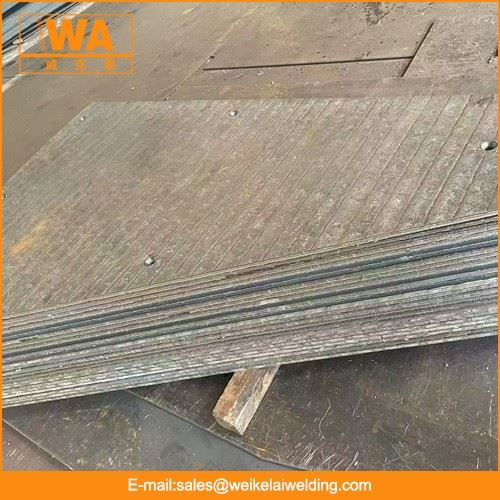
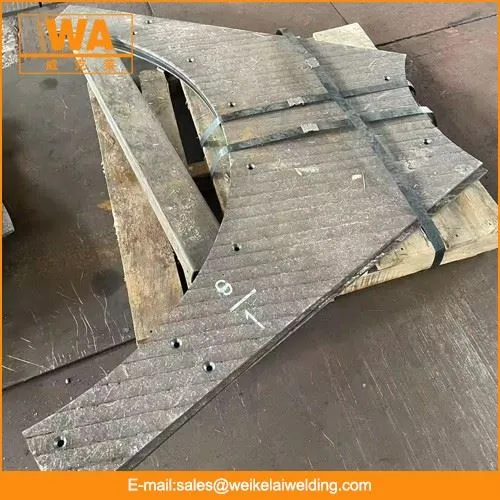
The chute wear liners in power plants help to reduce the friction between the coal and the chute walls, which improves the efficiency of the coal handling system. They also prevent the build-up of coal dust on the chute walls, which can lead to blockages and safety hazards. By using high-quality chute wear liners, power plant operators can ensure the reliable operation of their coal handling systems and reduce the risk of equipment failure.
Recycling Industry
The recycling industry is another area where chute wear liners find extensive use. In recycling facilities, various materials such as metals, plastics, and glass are sorted and processed. These materials are often transferred through chutes, and the liners protect the chutes from the impact and abrasion of the recycled materials.
For example, in a metal recycling plant, scrap metal is shredded and then sorted using chutes. The metal pieces can be sharp and heavy, and they can cause damage to the chute walls if not properly protected. The chute wear liners in the recycling industry are designed to be resistant to corrosion as well, as many of the recycled materials may contain corrosive substances.
Other Industries
Chute wear liners are also used in other industries such as food processing, chemical manufacturing, and agriculture. In the food processing industry, for example, chutes are used to transfer grains, fruits, and vegetables. The liners in this industry need to be made of food-grade materials to ensure the safety of the food products.
In the chemical manufacturing industry, chutes are used to handle various chemicals, some of which can be corrosive. The chute wear liners in this industry are designed to be resistant to chemical corrosion and to prevent the leakage of chemicals.
In agriculture, chutes are used to transfer grains, seeds, and fertilizers. The liners protect the chutes from the abrasion of these materials and ensure the smooth flow of the agricultural products.
Conclusion
As you can see, chute wear liners are used in a wide range of industries to protect chutes from abrasion, impact, and corrosion. They play a crucial role in ensuring the efficient operation of various industrial processes and reducing maintenance costs. If you're in an industry that uses chutes and you're looking for high-quality chute wear liners, look no further! We're a leading supplier of Chute Wear Liners, and we also offer Conveyor Wear Liners and Chromium Alloy Steel Mill Liners. Our liners are made of the best materials and are designed to meet the specific needs of your industry. Don't hesitate to get in touch with us to discuss your requirements and start a procurement negotiation. We're here to help you find the perfect solutions for your chute protection needs.
References
- "Industrial Wear Liners: Applications and Benefits" - Industry Insights Magazine
- "Mining Equipment Maintenance and Wear Protection" - Mining Journal
- "Cement Manufacturing Processes and Equipment" - Cement Industry Review
