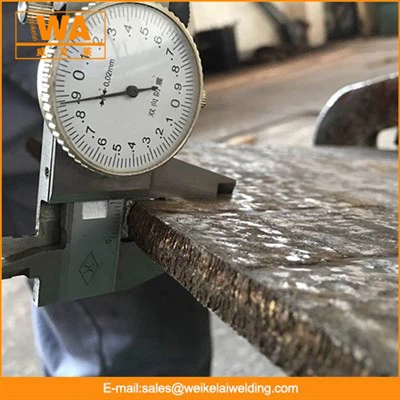
Shear strength is a critical mechanical property that plays a significant role in the performance and durability of wear liners. As a leading wear liners supplier, we understand the importance of shear strength in ensuring the effectiveness of our products across various industrial applications. In this blog post, we will delve into the concept of shear strength, its relevance to wear liners, and how it impacts the overall performance of our chute wear liners, conveyor wear liners, and metallic wear liners.
Understanding Shear Strength
Shear strength refers to the maximum amount of shear stress that a material can withstand before it fails or deforms. Shear stress occurs when two parallel forces act in opposite directions, causing one part of the material to slide or deform relative to another. In the context of wear liners, shear strength is crucial because wear liners are often subjected to forces that can cause them to experience shear stress, such as the sliding or scraping of abrasive materials across their surface.
The shear strength of a material is influenced by several factors, including its composition, microstructure, and manufacturing process. For example, materials with a high degree of hardness and toughness generally have higher shear strength. Additionally, the presence of impurities, voids, or other defects in the material can reduce its shear strength.
Shear Strength in Wear Liners
Wear liners are used in a wide range of industries to protect equipment from wear and abrasion. They are commonly installed in chutes, conveyors, hoppers, and other equipment where materials are transported or processed. In these applications, wear liners are exposed to abrasive materials, such as coal, ore, gravel, and cement, which can cause significant wear and damage over time.
The shear strength of wear liners is essential for several reasons. First, it determines the liner's ability to resist the forces that cause it to deform or fail. When a wear liner is subjected to shear stress, it must be able to withstand the forces without breaking or deforming, otherwise, it will lose its effectiveness in protecting the underlying equipment.
Second, shear strength affects the wear resistance of the liner. A liner with high shear strength is better able to resist the abrasive forces of the materials it comes into contact with, resulting in longer service life and reduced maintenance costs.
Finally, shear strength is important for ensuring the safety and reliability of the equipment. A wear liner that fails due to low shear strength can cause damage to the equipment, leading to costly downtime and potential safety hazards.
Factors Affecting Shear Strength in Wear Liners
Several factors can affect the shear strength of wear liners. These include:
- Material Composition: The type of material used in the wear liner has a significant impact on its shear strength. Different materials have different mechanical properties, and some materials are better suited for applications that require high shear strength. For example, metallic wear liners, such as those made from high - chromium white cast iron or manganese steel, generally have high shear strength due to their metallic structure and alloying elements.
- Thickness: The thickness of the wear liner can also affect its shear strength. In general, thicker liners are more resistant to shear stress than thinner ones. However, increasing the thickness of the liner also increases its weight and cost, so a balance must be struck between shear strength and other factors.
- Installation: Proper installation of the wear liner is crucial for ensuring its shear strength. If the liner is not installed correctly, it may be subjected to uneven forces, which can reduce its shear strength and lead to premature failure. For example, if the liner is not properly secured, it may move or shift under shear stress, causing it to wear unevenly or even break.
- Operating Conditions: The operating conditions in which the wear liner is used can also affect its shear strength. Factors such as temperature, humidity, and the type of abrasive material can all impact the performance of the liner. For example, high temperatures can cause the material to soften, reducing its shear strength.
Shear Strength in Different Types of Wear Liners
Chute Wear Liners
Chute Wear Liners are designed to protect chutes from the abrasive forces of materials flowing through them. In chutes, materials often slide or fall at high speeds, creating significant shear stress on the liner. High - shear strength chute wear liners are essential to prevent the liner from deforming or breaking under these forces. For example, in mining operations, where large volumes of ore are transported through chutes, the wear liners must be able to withstand the shear stress caused by the heavy and abrasive ore particles.


Conveyor Wear Liners
Conveyor Wear Liners are used to protect conveyor belts and other conveyor components from wear. Conveyor systems are constantly in motion, and the materials being transported can cause shear stress on the liners. A conveyor wear liner with high shear strength can better resist the forces exerted by the moving materials, ensuring smooth operation of the conveyor system and reducing the risk of liner failure. For instance, in a cement plant, where conveyor belts transport large amounts of cement powder, the wear liners need to have sufficient shear strength to withstand the continuous abrasion and shear forces.
Metallic Wear Liners
Metallic Wear Liners are known for their high strength and durability. Metallic materials, such as steel and cast iron, typically have high shear strength due to their crystalline structure and the presence of alloying elements. Metallic wear liners are often used in applications where high - impact and high - shear forces are present. For example, in heavy - duty mining equipment, metallic wear liners can provide excellent protection against the shear stress caused by the movement of large rocks and ores.
Testing Shear Strength of Wear Liners
To ensure the quality and performance of our wear liners, we conduct rigorous testing of their shear strength. There are several methods for testing shear strength, including the direct shear test and the torsion test.
In a direct shear test, a sample of the wear liner is placed between two plates, and a shear force is applied parallel to the plane of the sample. The test measures the maximum shear stress that the sample can withstand before it fails.
The torsion test involves applying a twisting force to a cylindrical sample of the wear liner. This test measures the shear strength of the material under torsional stress, which is relevant in applications where the liner may be subjected to twisting forces.
By conducting these tests, we can accurately determine the shear strength of our wear liners and ensure that they meet the requirements of our customers' applications.
How Shear Strength Impacts Your Business
The shear strength of wear liners has a direct impact on your business's bottom line. High - shear strength wear liners can reduce maintenance costs by lasting longer and requiring fewer replacements. They also improve the efficiency of your equipment by ensuring smooth operation and reducing downtime.
For example, if you are using a conveyor system in a manufacturing plant, a wear liner with low shear strength may fail prematurely, causing the conveyor to stop working. This can result in lost production time and increased costs for repairs and replacement parts. On the other hand, a high - shear strength wear liner can prevent these issues, allowing your conveyor system to operate smoothly and efficiently.
Contact Us for Your Wear Liner Needs
If you are looking for high - quality wear liners with excellent shear strength, look no further. As a leading wear liners supplier, we offer a wide range of wear liners, including chute wear liners, conveyor wear liners, and metallic wear liners, to meet your specific needs. Our team of experts can help you select the right wear liner for your application based on factors such as shear strength, wear resistance, and cost - effectiveness.
Contact us today to discuss your wear liner requirements and start a procurement negotiation. We are committed to providing you with the best products and services to ensure the success of your operations.
References
- Callister, W. D., & Rethwisch, D. G. (2011). Materials Science and Engineering: An Introduction. Wiley.
- ASM Handbook Committee. (1996). ASM Handbook Volume 8: Mechanical Testing and Evaluation. ASM International.
- ASTM International. (2017). ASTM D732 - 12(2017) Standard Test Method for Shear Strength of Plastics by Punch - Out Technique.