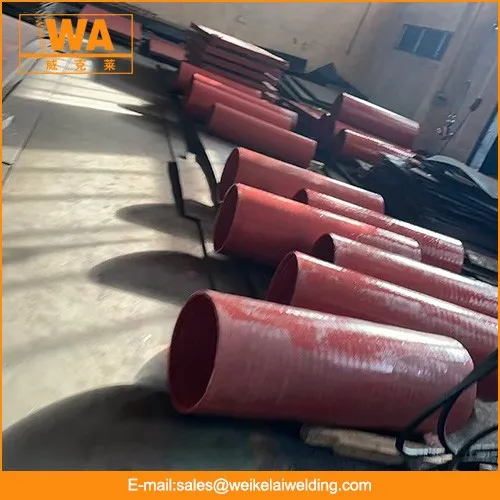
Hardfacing is a welding process used to apply a hard, wear-resistant layer to the surface of a base material. This technique has been employed in various industries, including mining, power generation, and construction, to enhance the durability and lifespan of components exposed to harsh operating conditions. In the context of shipbuilding, the question arises: Can hardfacing be used in shipbuilding pipes? As a leading hardfacing pipe supplier, I will delve into this topic to provide insights into the potential applications, benefits, challenges, and considerations of using hardfacing in shipbuilding pipes.
Potential Applications of Hardfacing in Shipbuilding Pipes
Shipbuilding pipes are subjected to a wide range of harsh conditions, including corrosion, abrasion, erosion, and high-temperature environments. Hardfacing can be applied to these pipes to improve their resistance to these challenges, thereby extending their service life and reducing maintenance costs. Some potential applications of hardfacing in shipbuilding pipes are as follows.
- Ballast and Bilge Systems: These systems are responsible for maintaining the stability and balance of the ship. The pipes in these systems are exposed to seawater, which can cause significant corrosion and erosion. Hardfacing can be used to protect the inner surface of the pipes, preventing corrosion and wear.
- Fuel and Lubrication Systems: These systems ensure the proper operation of the ship's engines and other machinery. The pipes in these systems are exposed to high pressures, temperatures, and abrasive particles. Hardfacing can enhance the wear resistance and durability of the pipes, reducing the risk of leaks and failures.
- Exhaust and Ventilation Systems: These systems are used to remove exhaust gases and provide fresh air to the ship's compartments. The pipes in these systems are exposed to high temperatures and corrosive gases. Hardfacing can protect the pipes from oxidation and corrosion, extending their service life.
- Firefighting and Emergency Systems: These systems are crucial for the safety of the ship and its crew. The pipes in these systems must be able to withstand high pressures and provide reliable performance in emergency situations. Hardfacing can improve the strength and durability of the pipes, ensuring their functionality when needed.
Benefits of Using Hardfacing in Shipbuilding Pipes
The use of hardfacing in shipbuilding pipes offers several significant benefits, making it an attractive solution for shipbuilders and operators.
- Enhanced Wear Resistance: Hardfacing materials are specifically designed to resist abrasion, erosion, and wear. By applying a hardfacing layer to the surface of the pipes, the pipes can withstand the harsh conditions encountered in shipbuilding applications, reducing the rate of wear and extending the service life of the pipes.
- Improved Corrosion Resistance: Seawater is a highly corrosive environment that can cause significant damage to shipbuilding pipes. Hardfacing materials can provide a protective barrier against corrosion, preventing the pipes from rusting and deteriorating. This can significantly reduce maintenance costs and downtime associated with pipe replacement.
- Increased Strength and Durability: Hardfacing can improve the mechanical properties of the pipes, such as hardness, toughness, and strength. This can enhance the pipes' ability to withstand high pressures, temperatures, and mechanical stresses, reducing the risk of deformation and failure.
- Cost Savings: Although the initial cost of hardfacing may be higher than that of conventional pipes, the long-term cost savings can be substantial. By extending the service life of the pipes, reducing maintenance costs, and minimizing downtime, hardfacing can provide a significant return on investment.
Challenges and Considerations
While hardfacing offers many benefits, there are also some challenges and considerations that need to be addressed when using this technology in shipbuilding pipes.
- Material Selection: Choosing the right hardfacing material is crucial to ensure the desired performance and compatibility with the base material of the pipes. Factors such as the operating conditions, the type of wear and corrosion, and the mechanical properties of the pipes need to be considered when selecting the hardfacing material.
- Welding Process: The hardfacing process requires specialized welding equipment and techniques. The welding parameters, such as the welding current, voltage, and speed, need to be carefully controlled to ensure the quality and integrity of the hardfacing layer. Improper welding can lead to defects, such as cracks, porosity, and poor adhesion, which can compromise the performance of the pipes.
- Quality Control: Quality control is essential to ensure that the hardfacing layer meets the required specifications and standards. Non-destructive testing methods, such as ultrasonic testing, magnetic particle testing, and radiographic testing, can be used to detect any defects in the hardfacing layer. In addition, mechanical testing, such as hardness testing and tensile testing, can be performed to evaluate the mechanical properties of the hardfacing layer.
- Compatibility with Existing Systems: When using hardfacing in shipbuilding pipes, it is important to consider the compatibility of the hardfacing layer with the existing systems and components. For example, the hardfacing layer may affect the flow characteristics of the fluid in the pipes, which can impact the performance of the system. Therefore, proper design and engineering are required to ensure the compatibility of the hardfacing layer with the existing systems.
Our Hardfacing Pipe Products
As a hardfacing pipe supplier, we offer a wide range of high-quality hardfacing pipes to meet the diverse needs of the shipbuilding industry. Our products include Hardfacing Abrasion Pipe, Wear Resistant Pipe, Bent Cladding Pipe, Wear Resistant Straight Pipe, and Cco Abrasion Pipe.
- Hardfacing Abrasion Pipe: This pipe is designed to resist abrasion and wear in harsh environments. It is suitable for use in ballast and bilge systems, fuel and lubrication systems, and other applications where abrasion is a major concern.
- Wear Resistant Pipe: This pipe is engineered to provide excellent wear resistance and durability. It is ideal for use in exhaust and ventilation systems, firefighting and emergency systems, and other applications where wear and corrosion are common.
- Bent Cladding Pipe: This pipe is a specialty product that combines the benefits of hardfacing with the flexibility of bent pipes. It is suitable for use in applications where space is limited or where the pipes need to be bent to fit the specific requirements of the system.
- Wear Resistant Straight Pipe: This pipe is designed to provide high wear resistance and strength in straight pipe applications. It is commonly used in fuel and lubrication systems, ballast and bilge systems, and other applications where straight pipes are required.
- Cco Abrasion Pipe: This pipe is specifically designed to resist abrasion and corrosion in high-temperature environments. It is suitable for use in exhaust and ventilation systems, power generation applications, and other industries where high-temperature corrosion is a major concern.
Conclusion and Call to Action
In conclusion, hardfacing can be a valuable solution for shipbuilding pipes, offering enhanced wear resistance, improved corrosion resistance, increased strength and durability, and cost savings. However, careful consideration must be given to material selection, the welding process, quality control, and compatibility with existing systems.
As a leading hardfacing pipe supplier, we are committed to providing high-quality products and excellent customer service. Our team of experts has extensive experience in the shipbuilding industry and can help you select the right hardfacing pipes for your specific needs. We also offer customized solutions to meet your unique requirements.
If you are interested in learning more about our hardfacing pipe products or exploring the potential of using hardfacing in your shipbuilding projects, please do not hesitate to contact us. We would be happy to discuss your needs and provide you with a detailed quote. Let us work together to enhance the performance and durability of your shipbuilding pipes.