

Hey there! As a supplier of Metallic Wear Liners, I've been diving deep into the world of these liners and how different factors impact their performance. One key aspect that often gets overlooked but plays a huge role is chemical stability and its effect on the corrosion resistance of metallic wear liners.
Let's start by understanding what chemical stability means in the context of metallic wear liners. Chemical stability refers to how well a metal resists chemical reactions with its environment. Metals are constantly exposed to various substances, like moisture, acids, and salts. If a metal isn't chemically stable, it'll react with these substances, leading to corrosion. Corrosion is a big deal because it can eat away at the wear liner, reducing its thickness and strength over time.
So, how exactly does chemical stability affect corrosion resistance? Well, metals with high chemical stability form a protective layer on their surface when exposed to the environment. This layer acts as a shield, preventing further chemical reactions between the metal and the corrosive substances. For example, stainless steel is known for its high chemical stability. It contains chromium, which reacts with oxygen in the air to form a thin, invisible layer of chromium oxide on the surface. This layer is self - healing, meaning if it gets scratched, it'll reform quickly, protecting the underlying metal from corrosion.
On the other hand, metals with low chemical stability are more prone to corrosion. Take iron, for instance. When iron is exposed to moisture and oxygen, it forms iron oxide, which we commonly know as rust. Rust is porous and doesn't adhere well to the metal surface. As a result, it doesn't provide effective protection, and the corrosion process continues, gradually weakening the metallic wear liner.
Now, let's talk about why corrosion resistance is so important for metallic wear liners. These liners are used in a wide range of industries, from mining to manufacturing. In the mining industry, for example, wear liners are installed in chutes and conveyors to protect the equipment from the abrasive action of rocks and minerals. If the wear liners corrode, they won't be able to withstand the abrasive forces for long. This can lead to frequent replacements, which are not only costly but also cause downtime in the production process.
In the manufacturing industry, metallic wear liners are used in machinery to reduce friction and wear. Corroded liners can cause uneven wear on the machinery parts, leading to increased maintenance costs and reduced efficiency. So, having wear liners with good corrosion resistance is crucial for the smooth operation of these industries.
As a supplier of Metallic Wear Liners, we understand the importance of chemical stability and corrosion resistance. That's why we offer a wide range of wear liners made from different metals with varying levels of chemical stability. For applications where corrosion is a major concern, we recommend using liners made from stainless steel or other corrosion - resistant alloys. These liners may be a bit more expensive upfront, but they'll save you money in the long run by reducing the need for frequent replacements.
Let's take a closer look at some of the specific types of wear liners we offer and how chemical stability affects their performance.
Chute Wear Liners are designed to protect chutes from the abrasive and corrosive effects of materials flowing through them. In many cases, these materials can be acidic or contain salts, which can accelerate the corrosion process. By using chute wear liners made from chemically stable metals, we can ensure that the liners last longer and provide better protection for the chutes. For example, our stainless steel chute wear liners have excellent chemical stability and can resist corrosion even in harsh chemical environments.
Conveyor Wear Liners are another important product in our lineup. Conveyors are often exposed to moisture and dirt, which can cause corrosion. Our conveyor wear liners made from high - strength, chemically stable metals can withstand these conditions and provide reliable protection for the conveyor belts. The chemical stability of the metal ensures that the liners don't corrode easily, maintaining their integrity and performance over time.
But it's not just about the type of metal. The manufacturing process also plays a role in the chemical stability and corrosion resistance of metallic wear liners. We use advanced manufacturing techniques to ensure that the liners have a uniform structure and composition. This helps to enhance their chemical stability and make them more resistant to corrosion. For example, we use heat treatment processes to improve the hardness and corrosion resistance of the metals.
In addition to the metal and the manufacturing process, the surface finish of the wear liners can also affect their corrosion resistance. A smooth surface finish can reduce the area of contact between the metal and the corrosive substances, making it harder for corrosion to start. We offer wear liners with different surface finishes, including polished and coated finishes, to meet the specific needs of our customers.

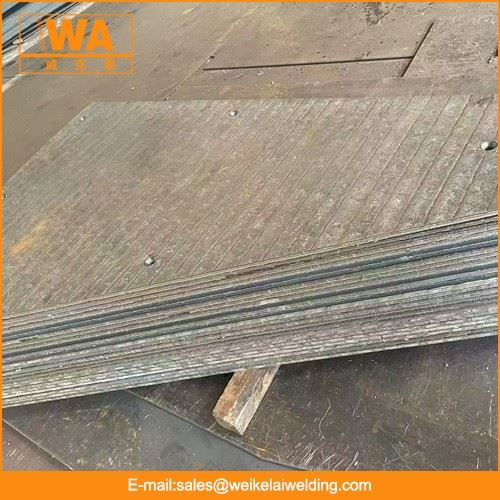
So, if you're in the market for metallic wear liners, it's important to consider the chemical stability and corrosion resistance of the liners. Don't just focus on the price or the initial appearance. Look for liners that are made from high - quality, chemically stable metals and have been manufactured using advanced techniques.
If you have any questions about our Metallic Wear Liners, Chute Wear Liners, or Conveyor Wear Liners, or if you're interested in purchasing our products, feel free to reach out. We're here to help you find the best wear liners for your specific application. Let's work together to ensure that your equipment is protected and running smoothly.
References:
- Callister, W. D., & Rethwisch, D. G. (2017). Materials Science and Engineering: An Introduction. Wiley.
- ASM Handbook Committee. (2000). ASM Handbook Volume 13A: Corrosion: Fundamentals, Testing, and Protection. ASM International.
